
In late September 2026, the New York City Council approved legislation implementing the revived J-51 tax abatement program, following state budget legislation signed into law earlier in the year. The program has been extended through 2036 with expanded eligibility and larger benefits, and it represents one of the most meaningful property tax developments for cooperatives and condominiums in recent years.
For boards planning facade work, elevator upgrades, boiler replacements, or energy-efficiency improvements, the revised program creates real opportunities. Understanding what changed, and acting on it early, can make a meaningful difference in how much a building ultimately pays for essential capital work.
What J-51 covers
The J-51 program allows eligible co-op and condo buildings to recoup a portion of qualifying capital improvement costs through a property tax abatement. Common qualifying work includes facade and roof repairs, elevator and heating system upgrades, boiler replacements, and energy-efficiency improvements. For many buildings, the program meaningfully offsets the cost of mandated work such as Local Law 11 facade repairs and Local Law 97 compliance upgrades.
Expanded eligibility reaches more buildings
Eligibility has broadened in a significant way. Co-op and condo buildings previously qualified only if the average assessed value per unit did not exceed $45,000. The revised program raises that cap to $60,000 per unit, with future adjustments tied to inflation. Buildings just above the prior threshold may now qualify, and the inflation adjustment helps protect long-term eligibility as assessments rise over time.
Larger benefits for qualifying work
The benefit itself has also grown. The maximum abatement has increased from 70 percent to 100 percent of the certified reasonable cost of the approved work, as determined by the NYC Department of Housing Preservation and Development. For co-ops and condos, the annual abatement is capped at 50 percent of the building’s property tax bill, a limit most buildings will not find restrictive in practice.
Timing and next steps
The revised program applies to qualifying construction completed after June 30, 2026, and runs through June 30, 2036. HPD rulemaking is still underway, which may affect the submission process for buildings that have recently completed or are planning qualifying work. Boards should coordinate with their accountants, attorneys, and project teams to document costs properly and track eligible categories as work progresses.
What this means for your board
The expanded J-51 program gives boards three practical opportunities worth planning around:
- A larger universe of eligible buildings, including those previously just above the assessed value cap.
- A meaningfully higher abatement benefit, which can defray a significantly greater share of approved capital improvement costs.
- A long runway through 2036, giving boards time to align Local Law 97 and Local Law 11 planning with the program’s qualifying work.
Capturing the benefit, however, depends on proper documentation of costs and careful coordination between the board, the managing agent, the project team, and professional advisors.
The bottom line
The expanded J-51 program is one of the clearest financial opportunities available to NYC co-ops and condos today, particularly for buildings approaching major capital work. Boards that engage early, document carefully, and plan with the full program in view are in the best position to benefit.
Cooperative and Condominium CPA Firm
If you would like to understand how the expanded J-51 program could support your co-op or condo’s capital planning, we invite you to schedule a complimentary financial review. As always, we are here with answers when you need them.
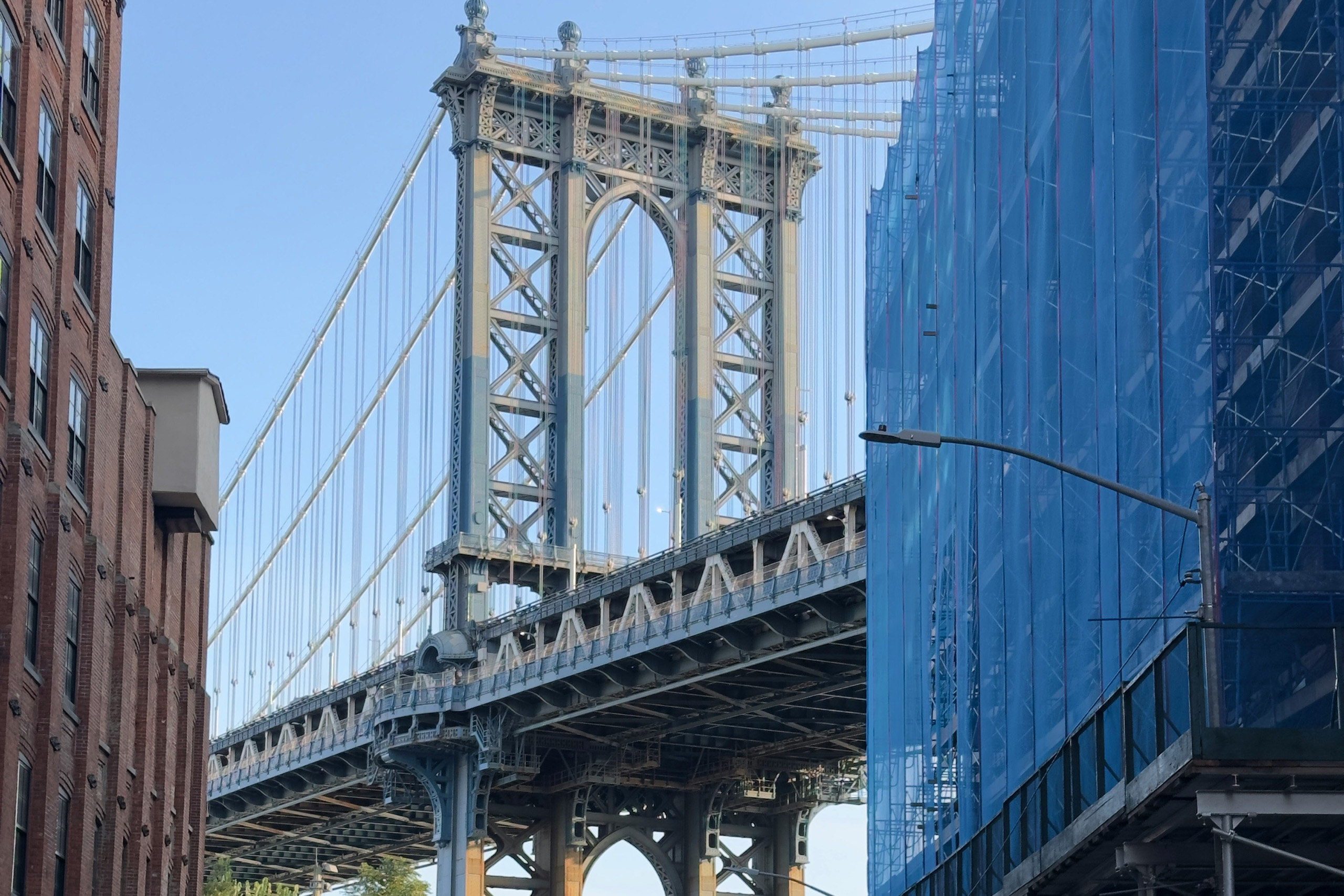
Photo by Portrait Views on Unsplash.